
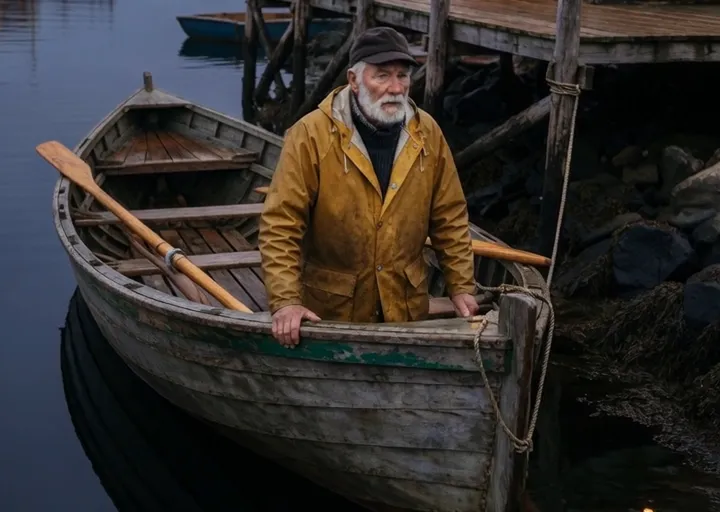
Grand Bank Banking Schooner Heritage
Grand Bank is a historic town of approximately 2,500 people on the Burin Peninsula of southern Newfoundland, celebrated as one of the great fishing towns of the Grand Banks. For centuries, Grand Bank was home to the banking schooner fishery — the dory-based deep-sea fishing conducted on the Grand Banks of Newfoundland, one of the richest fishing grounds in the world. The town's historic downtown f
Grand Bank is a historic town of approximately 2,500 people on the Burin Peninsula of southern Newfoundland, celebrated as one of the great fishing towns of the Grand Banks. For centuries, Grand Bank was home to the banking schooner fishery — the dory-based deep-sea fishing conducted on the Grand Banks of Newfoundland, one of the richest fishing grounds in the world. The town's historic downtown features an unusual concentration of Queen Anne Revival and other ornate late-Victorian homes, built by wealthy fish merchants and sea captains — a testament to the prosperity the banking fishery brought to the community at its height. Grand Bank was also a centre for the fresh-fish trade to American markets in the early twentieth century, with fast schooners racing fresh halibut and other fish to Boston and Gloucester. The Southern Newfoundland Seamen's Museum in Grand Bank commemorates this maritime heritage. The town also has a connection to the provincial weather service — Grand Bank is home to Environment Canada's Newfoundland weather station, one of the province's key meteorological monitoring sites. The collapse of the Grand Banks cod fishery in the late twentieth century hit communities like Grand Bank severely, triggering significant population decline. Efforts to diversify the local economy have included aquaculture and tourism focused on the town's remarkable architectural heritage and seafaring history.
Fact